

Guides
Solo Travel in the Philippines: A First-Timer’s Guide
Planning solo travel in the Philippines? Visas, best time to go, budget, getting around and how to choose your first route.

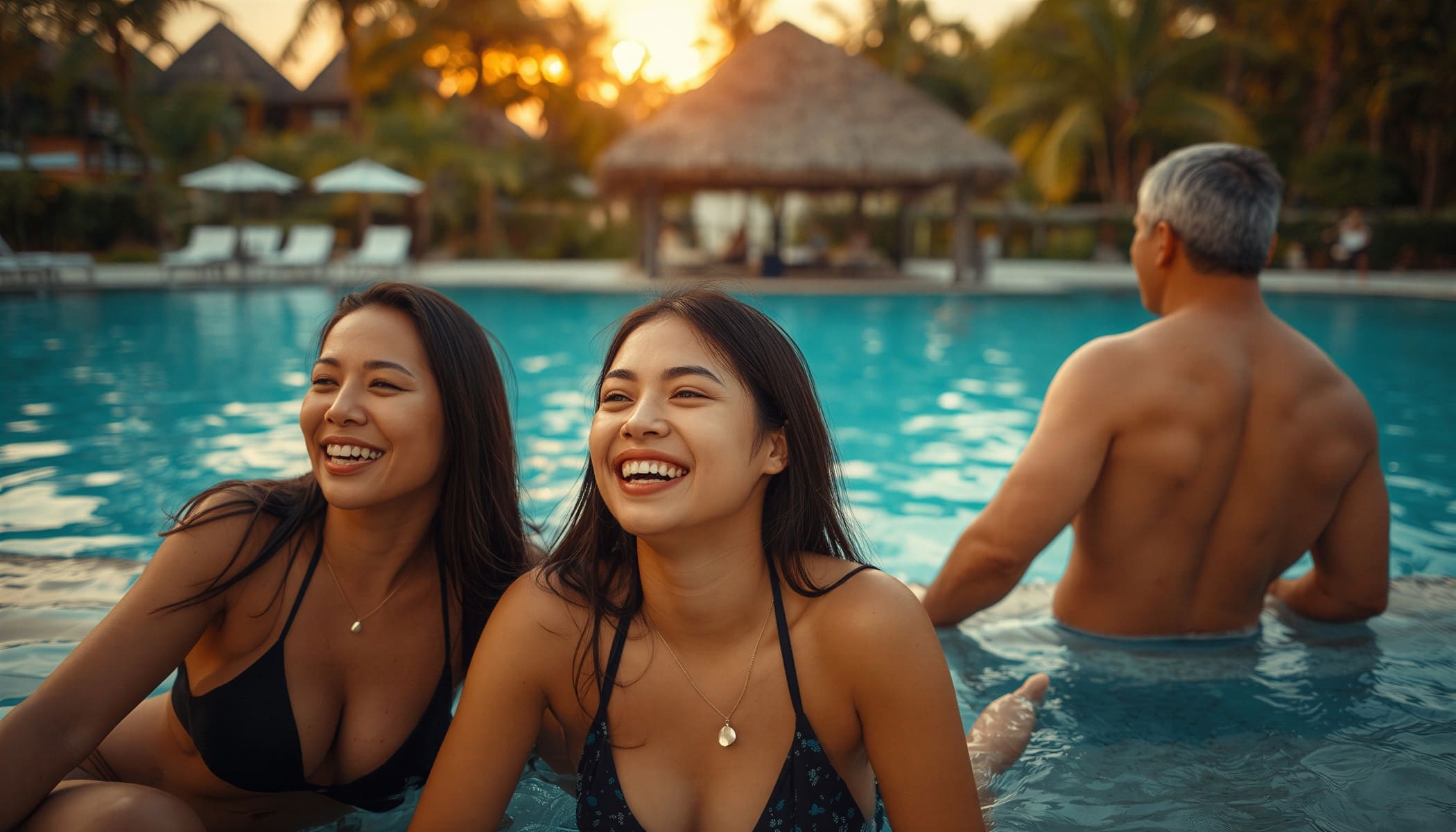
I am sixteen years into the best relationship of my life now, and I still remember how anxious I was before my first trip to the Philippines. Where do I land? How do I get around? Will I be lonely? The planning is the hard part. Once you arrive, the Philippines makes traveling solo easier than you expect, and this guide walks you through everything to sort out before you fly. You will also be in good company: Americans are the largest group of visitors to the Philippines, with 926,575 arrivals in the first eight months of 2026, according to Department of Tourism figures.
Short answer: yes, the Philippines is a great first solo destination. English is widely spoken, getting around is cheap, and island routes are well worn. You just need to plan the entry rules, the season, your money and your route before you go.
Last checked October 18, 2026. Entry rules and prices change, so confirm the details with the official sources at the bottom before you book.
Before you go: entry rules
- Visa: citizens of the US, UK, Canada, Australia and EU countries can generally enter visa-free for up to 30 days. Check your own nationality.
- Passport: it should be valid for at least six months beyond your stay.
- Onward ticket: airlines and immigration will want proof that you are leaving the country.
- eTravel form: complete the online eTravel registration within 72 hours before you fly. Screenshot the QR code in case your signal is poor at the airport.
If you want more than 30 days, you can extend through the Bureau of Immigration. The first extension costs roughly PHP 3,030 (about US$48) and covers about another 29 days. File it before your initial stay runs out. Later extensions cost more and may require extra paperwork, such as an ACR I-Card, so plan the paperwork early if you think you will stay longer.
When to go
November through May is the favorable season, with calmer seas and better island-hopping. December to April is busiest and most expensive. June through October brings rain and typhoon risk, which also means cheaper rooms and fewer crowds. For a full breakdown, read my guide to the best time to visit the Philippines, month by month. If you travel in the rainy season, keep your plans flexible and read Is the Philippines Safe for Solo Travelers? for typhoon advice.
Money: pesos, ATMs and cards
The currency is the Philippine peso (PHP). Cash matters more here than in many countries, so sort out your money before you leave the airport.
- ATMs: standard limits are about PHP 10,000 to 20,000 (about US$160 to US$320) per withdrawal. Most banks charge foreign cards a fee of around PHP 250 (about US$4) each time, so take out larger amounts less often. One guide reports that HSBC is the only bank that does not charge foreign cards a withdrawal fee.
- Cards: Visa and Mastercard work in most places in cities such as Manila, Cebu and Davao, though some merchants add a surcharge of 2 to 3 percent. American Express is accepted far less often.
- Cash: you will need it in small towns, markets, tricycles and small neighborhood stores. The largest note is PHP 1,000 (about US$16), so carry small bills and coins for jeepneys, where change for big notes can be hard to find.
- Changing money: use banks or licensed money changers in malls, and count your cash on the spot. Airports, hotels and street dealers often give poor rates.
- Tipping: not required but appreciated. Around PHP 20 to 50 (about US$0.30 to US$0.80) for guides and porters, and about 10 percent at restaurants that do not already add a service charge.
Always keep some emergency cash separate from your wallet, in case a card is lost or an ATM is out of order. Tell your bank you are traveling before you leave.
What it costs
One backpacking guide averages about PHP 1,000 to 1,200 (US$16 to US$19) a night for accommodation, PHP 800 to 1,000 (US$13 to US$16) for food, around PHP 900 (US$14) for transport and PHP 1,300 (US$21) for activities. That works out to a comfortable, relaxed day. Staying in dorms and eating local keeps you well under it, while island-hopping tours and flights push you over. The same guide puts a budget trip with dorms, local food and relaxed beach days at roughly US$40 to US$60 a day, and US$67 to US$80 if you add island-hopping and guided tours. Dollar figures in this guide use about PHP 63 to US$1 (the rate on October 18, 2026), so check the current exchange rate before you set a budget.
Getting around
- Domestic flights: usually the fastest way between island groups. Expect about PHP 3,000 (about US$48) one way, sometimes less if you book early.
- Ferries: from a few hundred pesos (a few US dollars) up to about PHP 1,000 (US$16) for short and medium trips. Bad weather cancels sailings, so never schedule a ferry the same day as your flight home.
- Jeepneys and tricycles: cheap local rides, from PHP 10 to 15 (about US$0.16 to US$0.24) for a short jeepney trip and PHP 10 to 25 (about US$0.16 to US$0.40) per person for a tricycle. Ask the fare first, or watch what locals pay.
- Taxis and ride-hailing: in cities, taxi meters start at about PHP 40 (about US$0.63). Compare a Grab fare in the app before you accept a taxi.
Where to stay
For your first few nights, choose somewhere social. Hostels and small guesthouses make it easy to meet other travelers, ask for local tips and find people to share boat trips with. Once you feel settled, a private room or a resort stay can be a good reward. Read recent reviews, check the location on the map, and book at least your first one or two nights ahead so you arrive with somewhere to go.
Staying connected
Smart, Globe and DITO sell SIM cards for around PHP 50 to 100 (about US$0.80 to US$1.60), with data packages of roughly PHP 350 to 1,850 (about US$5.60 to US$29) for 15 to 30 days. Buy at a mall store or 7-Eleven if you can, and carry your passport for SIM registration. Download offline maps before you leave Manila or Cebu, since signal drops on remote islands.
Pick your first route
The Philippines has more than 7,000 islands, so do not try to see them all. For a first trip, pick one region:
- Palawan, about two weeks: Coron (3 nights), El Nido (3), Port Barton (2) and Puerto Princesa (2). Dramatic scenery and plenty of other travelers.
- Visayas, about two weeks: Cebu (1 night), Moalboal (2), Siquijor (3) and Bohol (2), then fly home from Cebu. Easy transfers and a social backpacker scene.
- Three weeks or more: combine Palawan and the Visayas with a short flight of about an hour and a half from Puerto Princesa to Cebu.
Meeting people while traveling alone
The people are the best part of the Philippines. When I first traveled to Davao Oriental in November 2010, what amazed me most was the smiles and laughter, even in times of great poverty for many people. That warmth is a big reason traveling alone here rarely feels lonely.
Traveling solo does not mean being alone all the time. Join group island-hopping tours, stay in places with common areas, eat at communal tables, and say yes to invitations. Filipinos are famously friendly and curious, and a simple hello often turns into a conversation. If you feel lonely on some days, that is normal. Plan a few things that connect you with others, such as a cooking class, a dive course or a walking tour.
First-timer tips that matter
- Carry cash and keep a small amount of emergency cash separate.
- Book your first night or two, then stay flexible. Weather changes plans.
- Share your plans with someone at home and check in regularly.
- Buy travel insurance that covers motorbikes, diving and medical evacuation.
- Leave a buffer day before any international flight, because ferries and domestic flights are often delayed.
- Learn a few words of Tagalog. A smile and “salamat” (thank you) go a long way.
Frequently asked questions
Is the Philippines good for solo travelers?
Yes. English is widely spoken, the popular routes are well used, and there are many hostels and group tours. Like anywhere, use common sense. Read my safety guide before you go.
How long should I stay on a first trip?
Two weeks is enough to see one region well, such as Palawan or the Visayas. The visa-free 30 days give you room to add a third week or a second region.
Do I need a visa for the Philippines?
Many nationalities, including the US, UK, Canada, Australia and EU countries, can enter visa-free for up to 30 days. Rules depend on your passport, so confirm with the Bureau of Immigration before you book.
Can I use credit cards in the Philippines?
In cities, mostly yes, though some places add a surcharge. In small towns and islands, cash is often the only option, so withdraw before you head to remote areas.
What is the best month for a first trip?
November, or January through April, gives the most reliable weather. See the month-by-month guide for details.
The bottom line
Plan the paperwork, sort out your cash, pick one region, travel in the dry season if you can, and leave room for surprises. Next, read about staying safe while you travel alone.
Sources
- Bureau of Immigration, Philippines (official entry rules and extensions)
- eTravel Philippines (official arrival registration)
- Cabin Zero backpacking guide (budget, transport and route ideas)
- Backpack Moments, Money in the Philippines (ATMs, cards, tipping and exchange)
Guides
Is It Legal? Meeting and Marrying a Filipina as a Foreigner
What Philippine law says about meeting and marrying a Filipina as a foreigner, how to spot an illegal broker, and what SoloPhilippines does and does not do.

Meeting and marrying a Filipina is legal. What the Philippines prohibits is running a paid scheme that matches Filipinos with foreigners. That difference matters for you as a reader, and it matters for us as a website, so here is how it works in plain words.
Last checked October 19, 2026. This is general information, not legal advice. Laws change, so confirm important details with the official sources at the bottom or a licensed lawyer.
What the law says
The Anti-Mail Order Spouse Act, Republic Act 10906, was signed on July 21, 2016. It replaced the older Anti-Mail Order Bride Law (Republic Act 6955). Under the text of the law, it is unlawful to:
- run a business or scheme, for any consideration, that matches or offers a Filipino to a foreign national for marriage or common-law partnership, including by mail, email or website;
- advertise, publish or distribute promotional materials for that kind of scheme, including online;
- recruit Filipinos to join a club or association that matches them with foreigners for a fee.
The penalties are serious: 15 years in prison and a fine of PHP 500,000 to 1,000,000 (about US$7,900 to US$15,900) for the base offense, and 20 years and PHP 2,000,000 to 5,000,000 (about US$31,700 to US$79,400) for syndicates or large-scale cases. A foreigner who is convicted is deported after serving the sentence and permanently barred from entering the country. The law also lets a court suspend the license of an internet website involved in the scheme.
The same section says that legitimate dating websites, where people with shared interests connect to build personal and dating relationships, are not covered. Whether a particular service qualifies is a question for a Philippine lawyer, not for a blog.
How to spot an illegal broker
The law targets the business of arranging matches for money. Be careful with anyone who:
- charges you for introductions to specific women, or sells their contact details;
- asks for a “success fee” if you get engaged or married;
- runs a club that women must pay or sign up to join so they can be matched with foreigners;
- pushes you to pay quickly, send money to a private account or keep the arrangement secret.
These are also the habits of romance scammers. The US Federal Trade Commission’s advice applies: never send money or gifts to someone you have not met in person.
What SoloPhilippines does and does not do
We are an educational, travel and lifestyle website. We share what Steve and Cirila have learned from sixteen years together. They met on an online dating site, and we will always say so openly.
- We do not match, introduce or broker contact between people.
- We do not charge fees connected to relationships, engagements or marriages.
- We do not sell or share contact lists or profiles.
- We do not promote or recommend any dating site or matchmaking service.
- We do not allow “looking for” ads in our comments or our chatbot.
If that ever changes, we will tell you here first.
If your relationship gets serious
Couples who plan to marry or move usually meet a few more rules:
- The CFO seminar: the Philippine Commission on Filipinos Overseas runs a Guidance and Counseling Program for Filipinos who leave on a fiancé(e) (K-1) or immigrant visa. Check cfo.gov.ph for who must attend, the current fee and how to register.
- The K-1 visa (US citizens): the US State Department says the couple generally must have met in person within the past two years, both must be legally free to marry, and they must marry within 90 days of her arrival.
- Marrying in the Philippines: foreigners are generally asked for a certificate of legal capacity to marry from their embassy, and requirements vary by city hall. Ask your embassy and the local civil registrar.
- Divorce: the Philippines does not have absolute divorce for most citizens, so a previous marriage matters. Confirm each person’s status with documents and a Philippine lawyer.
Frequently asked questions
Is it legal to date a Filipina I met online?
Yes. Two adults meeting and building a relationship is not what the law targets. It targets businesses and schemes that profit from matching people.
Is it illegal to pay for a dating website?
The law says legitimate dating websites are not covered. Paying a person or company to arrange introductions to particular women or a marriage is the warning sign. If you are unsure about a service, ask a Philippine lawyer.
Does SoloPhilippines introduce people?
No. We write guides and share our story. We do not match or introduce anyone.
Is this legal advice?
No. It is a plain-language summary. For decisions about marriage, visas or property, talk to a licensed lawyer.
Sources
- Republic Act No. 10906 (Anti-Mail Order Spouse Act), Lawphil
- US State Department: K-1 fiancé(e) visa
- US Federal Trade Commission: romance scams
- Commission on Filipinos Overseas: cfo.gov.ph
Guides
How Much a Solo Trip to the Philippines Costs
What a solo trip to the Philippines really costs: daily budgets, a 2-week total, and prices for rooms, food, flights and tours, in pesos and US dollars.
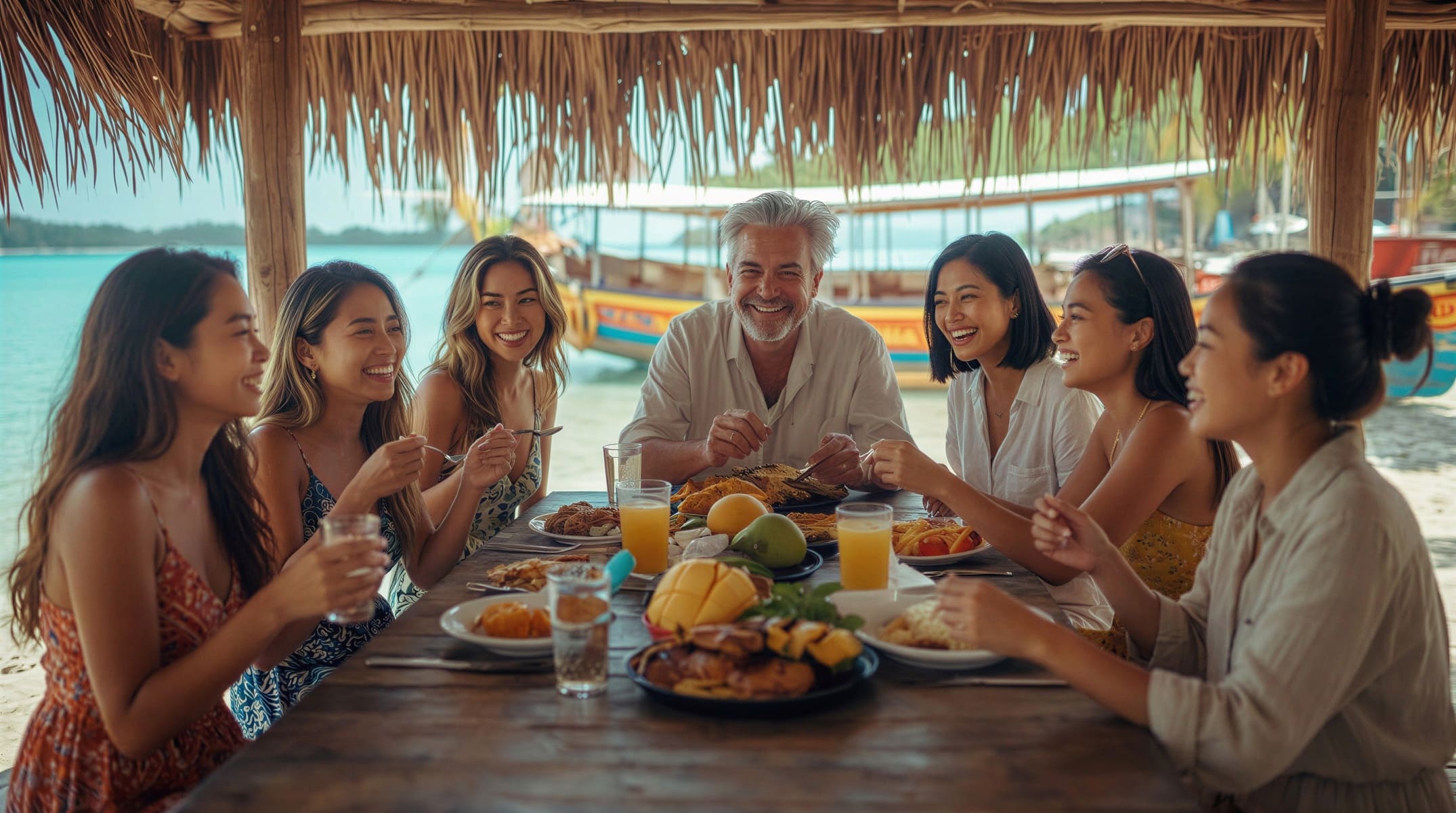
The Philippines is one of the more affordable places in Asia for a solo trip, but the total depends far more on how you travel than on where you go. A dorm bed and street food can keep you under US$45 a day. Private rooms, island-hopping tours and a few flights will double or triple that. This guide gives you real numbers in Philippine pesos (PHP) with US dollars beside them, so you can budget for your own style. Prices checked October 18, 2026. Conversions use about PHP 63 to US$1.
Short answer: plan on roughly PHP 1,800 to 2,800 (US$29 to US$44) a day on a tight budget, or PHP 4,500 to 7,500 (US$71 to US$119) a day for a comfortable trip with private rooms and tours. A two-week route like the one in our 2-week solo itinerary comes to about PHP 38,000 to 54,000 (US$600 to US$860) on a budget, or PHP 75,000 to 120,000 (US$1,190 to US$1,900) when you stay comfortable. Those totals leave out your flight to the Philippines.
Where the money goes
Most of a solo budget goes to four things: a bed, food, getting around and tours. The figures below come from price guides updated in 2025 and 2026, and from the prices we use in our other guides. Prices move with the season, and popular places like El Nido cost more than smaller towns, so treat every number as a range and not a quote.
Rooms
- Dorm bed: PHP 500 to 1,200 (US$8 to US$19) a night in El Nido, PHP 350 to 700 (US$5.60 to US$11) in Coron and PHP 400 to 800 (US$6 to US$13) in Puerto Princesa.
- Private air-conditioned room: PHP 2,200 to 4,500 (US$35 to US$71) in El Nido, PHP 1,800 to 3,500 (US$29 to US$56) in Coron and PHP 1,500 to 3,000 (US$24 to US$48) in Puerto Princesa.
- Resort: PHP 6,000 to 12,000 (US$95 to US$190) a night in El Nido and PHP 4,000 to 8,000 (US$63 to US$127) in Coron.
Solo travelers pay a premium in private rooms, because a single traveler usually pays the full room price. Dorms and small guesthouses are where you save, and they are also where you meet other travelers. Our first-timer’s guide covers where to stay in more detail.
Food
Eating local is cheap. A price guide for Palawan puts a full day of meals at PHP 500 to 2,200 (US$8 to US$35) in El Nido and PHP 500 to 2,000 (US$8 to US$32) in Coron, depending on whether you eat at small local places or tourist restaurants. Another 2025 guide estimates a nice dinner at about US$13, including a drink. Boracay is noticeably more expensive than Bohol, so budget more for the famous beaches.
Getting around
- Domestic flights: about PHP 3,000 to 3,200 (US$48 to US$51) one way, and less if you book early.
- Coron to El Nido fast ferry: PHP 2,400 to 3,200 (US$38 to US$51) for about 3.5 hours. Slower cargo boats take around 8 hours.
- El Nido to Puerto Princesa van: PHP 600 to 800 (US$9.50 to US$12.70) each way, about 5 to 6 hours.
- Cebu to Bohol ferry: from about PHP 475 (US$7.50).
- Airport vans and tricycles: PHP 150 to 250 (US$2.40 to US$4) from a small airport such as Coron, and PHP 50 to 150 (US$0.80 to US$2.40) for a tricycle in El Nido town.
- Jeepneys: PHP 10 to 15 (about US$0.16 to US$0.24) for a short ride.
Tours and fees
- El Nido island-hopping (Tours A to D): PHP 1,400 to 1,800 (US$22 to US$29) each as a shared boat, or PHP 6,000 to 14,000 (US$95 to US$222) for a private boat shared by a small group.
- El Nido eco-tourism fee: PHP 400 (US$6.30), paid once and valid for ten days. Some sites, such as the Big Lagoon, charge another PHP 200 (US$3.20).
- Coron tours: about PHP 1,200 (US$19) for Tour A and PHP 1,700 (US$27) for the Ultimate Tour or the wreck-and-reef trip.
- Puerto Princesa Underground River: PHP 2,200 to 2,800 (US$35 to US$44) on a shared tour.
Budget an extra PHP 600 to 1,200 (US$10 to US$19) per person in fees on top of two El Nido tours. Bohol is much cheaper for sightseeing: a 2025 guide lists the Tarsier Sanctuary at about US$0.90 and the Chocolate Hills at about US$1.
Daily budgets
These are our estimates, built from the ranges above. They do not include the flights and ferries between islands, which are listed separately below.
- Tight budget: dorm bed, local meals, jeepneys and tricycles, and one cheap activity. About PHP 1,800 to 2,800 (US$29 to US$44) a day.
- Comfortable: private air-conditioned room, a mix of local and restaurant meals, and a tour every other day. About PHP 4,500 to 7,500 (US$71 to US$119) a day.
One backpacking guide averages a relaxed day at about PHP 3,300 to 4,200 (US$52 to US$67) across rooms, food, transport and activities, which lands between the two. Staying in dorms and eating local keeps you well under it, while tours and flights push you over.
What a 2-week trip costs
Take the route from our 2-week itinerary: Manila, Coron, El Nido, Moalboal, Bohol and back through Cebu. It needs three flights, a Coron to El Nido ferry, an El Nido to Puerto Princesa van and a Cebu to Bohol ferry. Add them up and the big transport costs come to about PHP 12,500 to 15,000 (US$198 to US$238).
- Tight budget: 14 days at PHP 1,800 to 2,800, plus transport, is about PHP 38,000 to 54,000 (US$600 to US$860).
- Comfortable: 14 days at PHP 4,500 to 7,500, plus transport, is about PHP 75,000 to 120,000 (US$1,190 to US$1,900).
For comparison, one blogger spent about US$577 for two weeks (about US$41 a day) on a route through Manila, Cebu, Bohol and Boracay. That route is cheaper than Palawan, which has pricier tours and transfers.
Costs people forget
- Your flight to the Philippines. This is usually the biggest single cost and is not included above.
- ATM fees. Most banks charge foreign cards about PHP 250 (US$4) a withdrawal, and limits are often PHP 10,000 to 20,000 (US$160 to US$320). Take out larger amounts less often.
- Visa extension. The first extension costs roughly PHP 3,030 (US$48). Confirm the current fee with the Bureau of Immigration before you go.
- Travel insurance. Pick a policy that covers medical care and evacuation.
- A SIM card. About PHP 50 to 100 (US$0.80 to US$1.60), plus a data package of roughly PHP 350 to 1,850 (US$5.60 to US$29).
- A buffer. Typhoons cancel ferries and flights, and a night or two of extra lodging adds up. A cushion of about PHP 12,600 (US$200) is sensible.
Ways to spend less
- Book flights early and fly mid-week.
- Eat where locals eat, and drink bottled water you buy in bulk.
- Share a private boat in El Nido with people you meet at your hostel.
- Travel in the shoulder season, when rooms and tours are cheaper. Our month-by-month guide shows what you trade for the savings.
- Check where you are going against the safety guide before you book, and never cut corners on boats or insurance.
Frequently asked questions
Is the Philippines cheap for a solo traveler?
It is affordable by international standards, especially for food and local transport. Solo travelers pay more for private rooms because they cannot split the cost, so dorms and guesthouses are the best way to keep costs down.
How much cash should I carry?
A Palawan price guide suggests carrying PHP 12,000 to 15,000 (US$190 to US$238) in cash for a four-day mid-range stay in El Nido, since ATMs can run out of cash. Keep small bills for tricycles, markets and small shops.
Is it cheaper to travel in the low season?
Yes, rooms and tours are often cheaper from June to October, but typhoons can cancel ferries and flights. Leave a buffer day before any flight home.
The bottom line
You can do a solo trip to the Philippines for about US$600 for two weeks if you stay in dorms and eat local, or comfortably for US$1,200 to US$1,900 with private rooms and tours. Decide how you want to travel first, then build the budget around it. Prices change, so confirm tours, fees and fares before you book.
Sources
- Suroy: Palawan Trip Cost 2026 (prices checked August 12, 2026)
- Adventurous Miriam: Budget for 2 Weeks in the Philippines (updated August 2025)
Guides
A 2-Week Solo Itinerary for the Philippines
A day-by-day 2-week Philippines itinerary for solo travelers: Coron, El Nido, Moalboal and Bohol, with transfers, budget tips and what to skip.
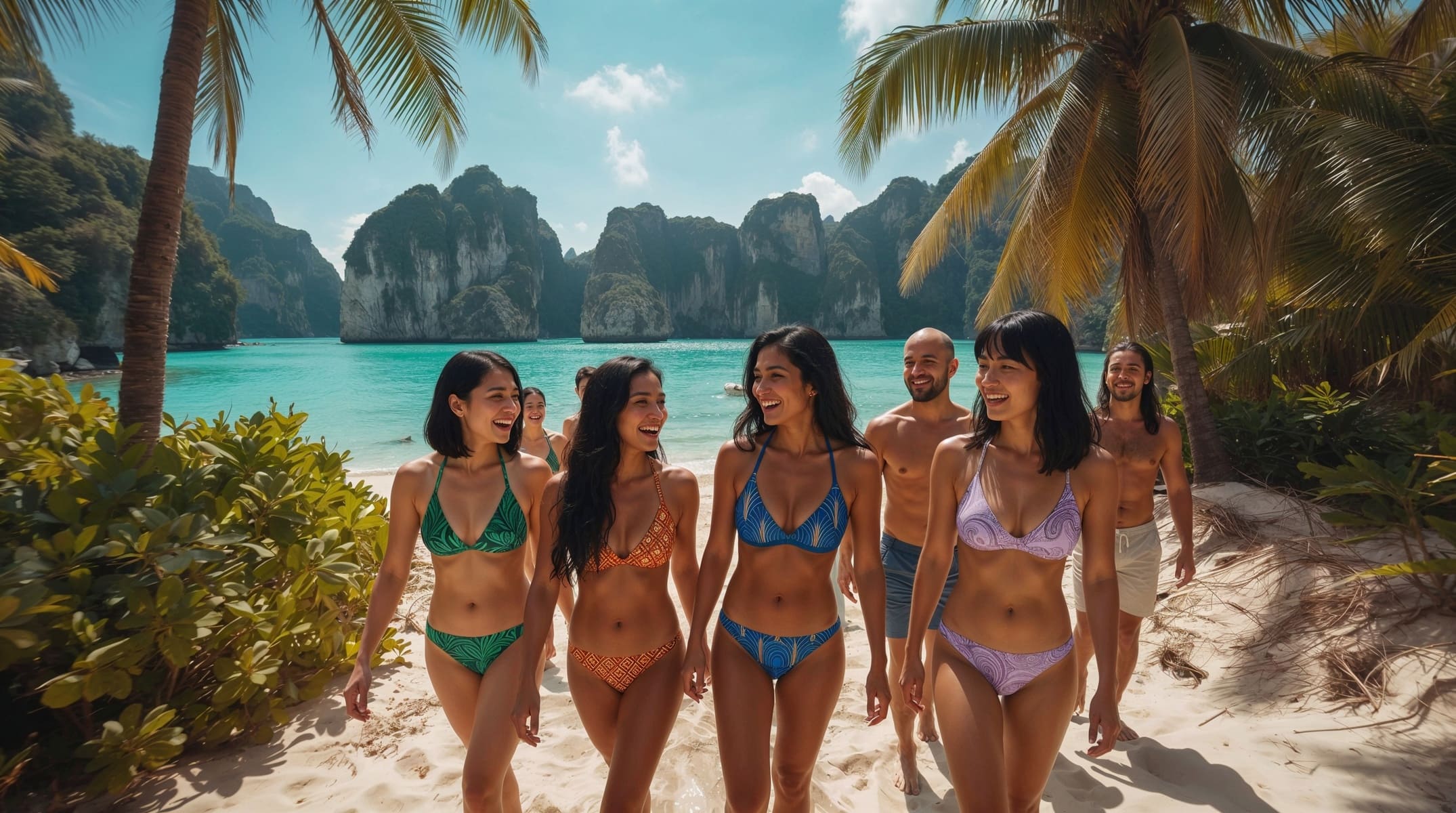
The hardest part of planning my first trip was deciding where to go. The Philippines has more than 7,000 islands, and every guide seemed to send you everywhere at once. The secret to a good first trip is to do less. Pick a short route, take your time at each stop, and leave a little room for surprises. This is a two-week itinerary I would give a friend who is traveling alone for the first time.
The route: Coron, El Nido, Moalboal and Bohol, with flights from Manila at the start and out of Cebu at the end. It mixes dramatic limestone scenery, snorkeling, waterfalls and easy-to-reach towns where it is simple to meet other travelers.
Last checked October 18, 2026. Flight schedules, ferry times and prices change often, and weather can cancel sailings. Treat the times and prices below as a guide and confirm them before you book.
Before you plan the route
- Travel in the dry season if you can. This route works best from November to May, when the seas are calmer. See the best time to visit the Philippines for details.
- Allow for travel days. Getting from one island to another often takes at least half a day, and sometimes a full day.
- Sort out the basics first. Entry rules, money and a SIM card are covered in my first-timer’s guide to solo travel in the Philippines.
The route at a glance
- Day 1: arrive in Manila
- Days 2 to 4: Coron
- Days 5 to 8: El Nido
- Day 9: transfer to Cebu
- Days 10 and 11: Moalboal
- Days 12 and 13: Bohol
- Day 14: back to Cebu and fly home
Day 1: Arrive in Manila
Treat your arrival day as admin. Sleep, get cash, buy a SIM or eSIM, and eat something local. If you land late, stay near the airport so you are not hunting for a room in the dark. Manila is a big, busy city, and most first-timers are happy to move on quickly. If you have a spare day, the walled area of Intramuros and the National Museum are good places to start.
Days 2 to 4: Coron
You can fly directly from Manila to Busuanga airport for Coron. Stay in Coron town, where boats leave easily and there are plenty of places to eat and meet people.
- Island hopping: the classic day trip visits Kayangan Lake, Twin Lagoon and Siete Pescados, and some tours add Barracuda Lake.
- Diving and snorkeling: Coron is known for wreck diving, and the water is clear in the dry season.
- A slower day: soak in the Maquinit hot springs, or climb Mt. Tapyas for a view over town. The hike takes about 15 to 20 minutes.
Plan one tour day and one flexible day. If the weather turns, you still have time to catch up.
Days 5 to 8: El Nido
A fast ferry between Coron and El Nido takes about 3.5 hours and costs roughly PHP 2,400 to 3,200 (US$38 to US$51), while slower cargo boats take around 8 hours and cost less. Check the schedule when you arrive in Coron, since sailings depend on the weather. Give El Nido at least three nights.
- Island-hopping tours: Tour A is popular and visits the Big Lagoon, the Secret Lagoon and 7 Commandos Beach. Ask your guesthouse which tour suits the day’s conditions.
- Beaches: Nacpan Beach is a long stretch of sand worth a half-day trip. Scooter rentals in Palawan start at about PHP 300 (US$4.80) a day, but be careful if you are not an experienced rider.
- Where to stay: El Nido town is best for tours and nightlife. Corong-Corong is calmer and has better sunsets. Las Cabanas and Marimegmeg suit beach time.
Palawan is often more expensive than people expect. Save money by choosing one or two boat days instead of a tour every day.
Day 9: Transfer to Cebu
This is a logistics day. Take a van from El Nido to Puerto Princesa, then fly to Cebu. The flight takes about an hour and a half, and one backpacking guide quotes around PHP 3,200 (about US$51) or more, depending on when you book. Leave early, keep your bags light and do not plan anything for the evening except dinner and sleep.
Days 10 and 11: Moalboal
From Cebu City you can take a public bus to Moalboal. The town is a relaxed base with a friendly traveler scene.
- The sardine run: you can snorkel straight from the shore with a huge school of sardines and often sea turtles.
- Kawasan canyoneering: a guided tour with lunch is the easiest way to see the waterfalls.
- Osmena Peak: a short hike of about 15 minutes for sunrise or sunset views.
You will see Oslob whale shark tours advertised nearby. The sharks are fed to draw them in, and several travel guides advise against it for ethical reasons. Donsol in Sorsogon is suggested as an alternative, though it is far from this route.
Days 12 and 13: Bohol
Ferries from Cebu to Bohol take roughly 2 to 2.5 hours and start at about PHP 475 (about US$7.50). Ports include Tagbilaran and Tubigon, so choose based on where you plan to stay. Panglao has the beaches, while Tagbilaran is easier for logistics.
- Countryside day: the Chocolate Hills, the Tarsier Sanctuary and the Loboc River. A day tour is the easiest way to see all three.
- Beach day: Alona Beach is the busiest, while Dumaluan Beach is quieter. Sunset at Doljo or San Pedro is worth staying for.
Day 14: Back to Cebu and fly home
Take the ferry back to Cebu on day 13 or very early on day 14, and stay near the airport the night before your flight. Do not rely on a same-day ferry and flight. Ferries are often delayed, and a missed flight can cost much more than an extra night’s room.
Make it your own
- Short on time: skip Coron and spend 4 nights in El Nido, 2 in Moalboal and 3 in Bohol.
- More time: add Siargao after Bohol. Direct flights from Cebu take under two hours, and tickets usually start from about US$40 (35 euros).
- Prefer fewer flights: do the Visayas only, with Cebu, Moalboal, Siquijor and Bohol.
What this route costs
One guide puts a relaxed day at roughly PHP 1,000 to 1,200 (US$16 to US$19) for accommodation, PHP 800 to 1,000 (US$13 to US$16) for food, PHP 900 (US$14) for transport and PHP 1,300 (US$21) for activities. Dollar figures here use about PHP 63 to US$1 (the rate on October 18, 2026). Flights between island groups, tours and the occasional resort night will push the total up, so build in a cushion. Palawan costs more than the Visayas.
Tips for traveling this route alone
- Book your first night in each town, then stay flexible.
- Stay in social places and join group tours to meet people.
- Carry cash. ATMs can be scarce on small islands.
- Tell someone at home your plans, and read my safety guide for solo travelers.
- Buy travel insurance that covers scooters, diving and weather delays.
Frequently asked questions
Is two weeks enough for the Philippines?
It is enough to see one or two regions well. Trying to cover more usually means spending your trip on boats and in vans.
What is the best two-week route for a first-timer?
Combining Palawan with the Visayas gives a good mix of scenery, snorkeling and easy social towns. If you want the simplest trip, stick to the Visayas alone.
Should I book everything in advance?
Book your international flight, your first night, and flights between islands early. Leave other nights flexible so you can adjust for weather.
Can I do this route in the rainy season?
It is possible, but ferries are more likely to be cancelled, especially in July and August. Add buffer days and choose the west side of the country when you can.
The bottom line
Do less, stay longer, and let the people you meet shape the trip. Two weeks is enough to fall in love with the Philippines. It is probably also enough to start planning the next visit.
Sources
- Backpacking Is Life, 2-Week Philippines Itinerary (route and highlights)
- The Manduls, 2-Week Itinerary Philippines (transfers, ferry times and prices)
- Cabin Zero backpacking guide (route ideas, budget and flight prices)


Is It Legal? Meeting and Marrying a Filipina as a Foreigner

How Much a Solo Trip to the Philippines Costs

A 2-Week Solo Itinerary for the Philippines

Life in the Philippines Has Its Advantages: My Story

Top Delicacies: Best Foods to Try in The Philippines

Is the Philippines Safe for Solo Travelers? What To Know
-
 Retirement2 years ago
Life in the Philippines Has Its Advantages: My Story
-
 Lifestyle2 years ago
Top Delicacies: Best Foods to Try in The Philippines
-
 Guides1 day ago
Is the Philippines Safe for Solo Travelers? What To Know
-

 Guides1 day ago
Best Time to Visit the Philippines, Month by Month
-
 Guides1 day ago
A 2-Week Solo Itinerary for the Philippines
-
 Guides22 hours ago
How Much a Solo Trip to the Philippines Costs
-
 Guides10 hours ago
Is It Legal? Meeting and Marrying a Filipina as a Foreigner
You must be logged in to post a comment Login