

Therapy
Hilot Massage: Traditional Filipino Healing Massage
Hilot is the traditional Filipino healing touch. Learn what a session involves, what it costs and how to find a practitioner in the Philippines.

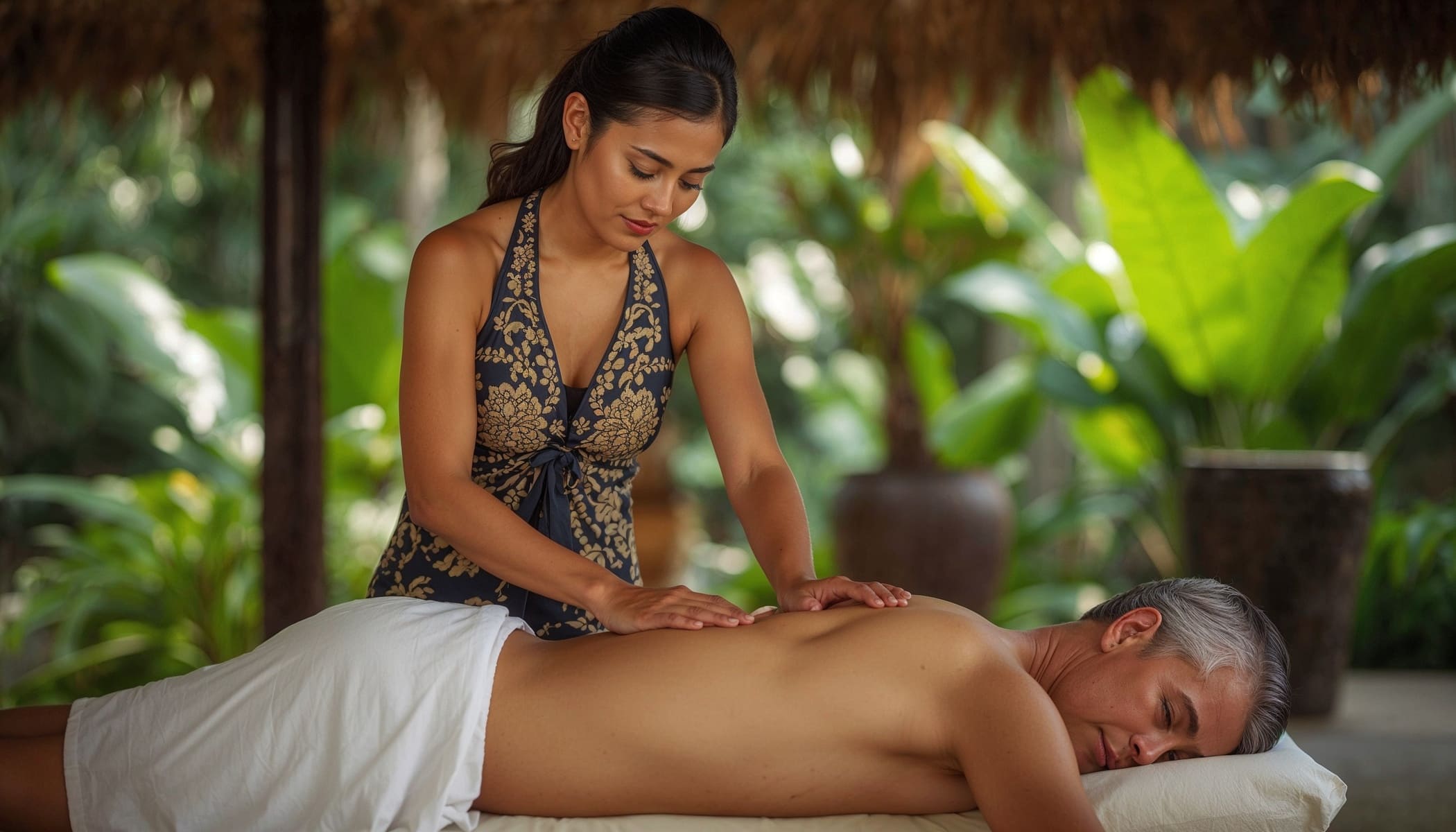
Hilot is the traditional Filipino healing touch that grew out of village life long before spas and hospitals. If you are planning a trip, you will see hilot massage on spa menus and hear about it from locals. This guide to hilot in the Philippines explains what it is, what a session can involve, what it costs and how to find a practitioner. It is a companion to my main guide, Health and Wellness in the Philippines.
I am not a medical professional. I am sharing what I have seen, lived and learned, along with the sources I found.
What is hilot in the Philippines?
Hilot is a Filipino healing practice built on touch, manipulation and massage. The practitioner is called a manghihilot. Vogue Philippines describes it as a touch therapy that restores balance in body, mind and spirit, tied to the Filipino idea of ginhawa, or well-being (Vogue Philippines). Wikipedia traces it to the ancient Filipino shamanic tradition (Wikipedia).
The tradition includes more than one kind of healer: those who set bones and work the muscles, herbal healers known as albularyo, and folk midwives who help with pregnancy and birth. In remote areas these healers have long been the first call for many families.
What a hilot session can involve
No two practitioners work exactly alike, but these are the elements the sources describe:
- Touch to find where the body is out of balance. A manghihilot uses their hands to feel for areas that need attention. A 2017 Inquirer article says the healer may also ask about things like pulse, temperature, urination and bowel habits (Philippine Daily Inquirer).
- Massage with oil. Strokes can be upward, circular or downward. Many practitioners use coconut oil.
- The banana leaf method. In the older style, a banana leaf soaked in coconut oil is placed on the body, and where it sticks shows the healer where to work. Vogue Philippines says this usually points to something like a pulled muscle, sprain or congestion.
- Prayer and ritual. Many healers see the work as a calling, and prayer can be part of a session.
I have watched this practice, and I have been a participant myself. In my experience, it is something you have to experience in order to understand. Those who believe in the energetic field will understand it best.
Hilot compared with a regular spa massage
A regular spa massage is built around relaxation. Hilot in the Philippines goes further. It works on a specific complaint, such as sore muscles or a stiff joint, and on the well-being of the whole person. Many city spas now offer a hilot session by name, usually as a full-body treatment with mixed techniques. In a March 2024 roundup of Manila spas, a traditional hilot session at one spa ran about PHP 450 to 500 (US$7 to US$8) (The Smart Local). Prices have likely moved since then.
Outside the spas, things work differently. Vogue Philippines says many rural practitioners do not charge a set fee. They accept donations of any value or form, and for some this is their main livelihood. If you visit one, ask what is appropriate rather than guessing, and be generous if you were helped.
Cirila’s family relies on this type of therapy because of their culture, beliefs and traditions. It is very common. I also give my wife a similar energy healing massage, using many of the same techniques.
How to find hilot in the Philippines
The Philippine government recognizes hilot. The Traditional and Alternative Medicine Act of 1997 created the Philippine Institute of Traditional and Alternative Health Care (PITAHC), which sits under the Department of Health and works to bring traditional medicine into the national health system (Digest.ph). PITAHC lists hilot among its recognized modalities and keeps a registry of certified practitioners and accredited facilities (PITAHC), which is a good place to start if you want a certified practitioner.
Practical ways to find one:
- For a first visit, a spa that offers hilot by name is the easiest option.
- For a traditional healer, ask the person you are staying with for a recommendation. A name people trust is the best guide.
- Ask what the session includes and what it costs before you start.
- Check the PITAHC website if you would like a certified practitioner.
My own tip: find the nearest spa massage facility and ask them what the difference is between a regular massage and a traditional hilot massage. Tell them you are looking for someone who specializes in negative energy removal and refreshing your energetic field. Their answer will tell you quickly whether they can help you.
What hilot means to me
To me, hilot is ancient healing at the root. I believe negative energy can be released from within the body, and I believe tense muscles are trapped energy. The human body produces a magnetic field in and around it, and I see that as science, not superstition. This is my belief and my experience.
Hilot in the Philippines: frequently asked questions
What does hilot mean?
Hilot is traditional Filipino healing through touch, massage and manipulation. The practitioner is called a manghihilot.
How much does a hilot massage cost?
One spa in a March 2024 Manila roundup charged about PHP 450 to 500 (US$7 to US$8) for a traditional hilot session. Rural healers may take a donation instead of a set fee.
What is hilot used for?
People turn to hilot for sore muscles, tension and general well-being. As with any care, tell your practitioner about injuries or health conditions before you begin.
How do I find a certified hilot practitioner?
The government agency PITAHC recognizes hilot and keeps a registry of certified practitioners. You can also ask a trusted local for a recommendation.
Where can a visitor try hilot?
Many spas in Metro Manila and other cities list hilot on their menus. Ask what is included and what it costs before you book.
We have a lot to learn. Try it with an open mind, and decide for yourself.
Life Is Your Decision, Make It Count.
Steve and Cirila
SoloPhilippines.com
Questions or just want to say hello? Send us a note.
Therapy
Health and Wellness in the Philippines: A Practical Guide
Massage, hilot, hospitals, dental care and medical tourism in the Philippines: what it costs, what to check and what I learned firsthand.
Health and wellness in the Philippines: more than a place to meet someone
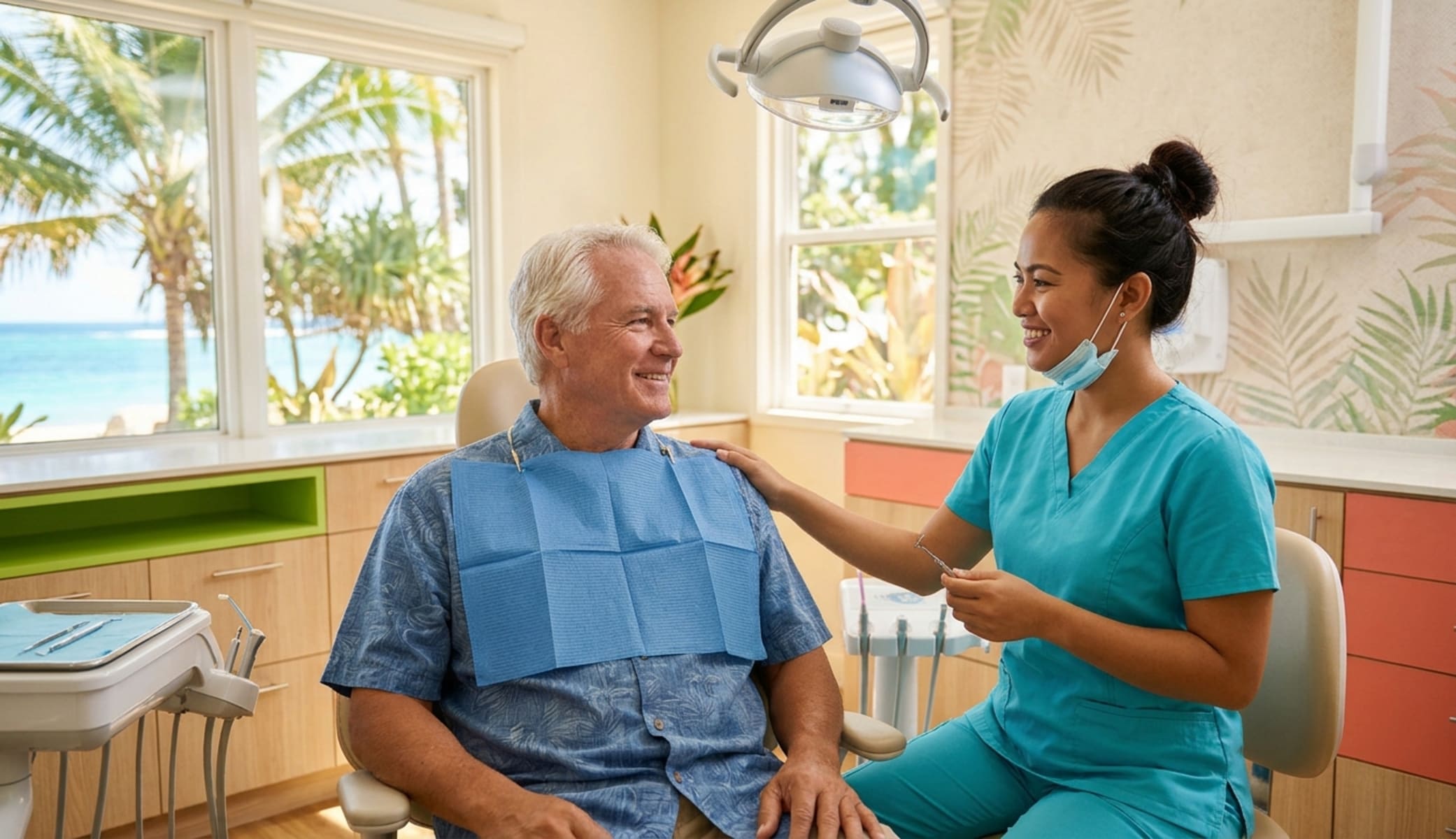
When most men think about the Philippines, they think about meeting someone. What many don’t expect is how much the country can do for your health and your daily life, from a relaxing massage that costs less than a coffee back home to modern hospitals that overwhelmed me the first time I walked in.
This guide to health and wellness in the Philippines is a starting point. It covers massage and spa, doctors and hospitals, dental care and medical tourism, plus the questions to ask before you hand anyone your money or your health. Prices are in Philippine pesos (PHP) with US dollars beside them, using about PHP 63 to US$1.
Important: I’m not a doctor, and nothing here is medical advice. Talk to your own doctor before any major treatment, and check every provider’s license yourself.
Massage in the Philippines: hilot and spa
Massage is the easiest way to feel the difference. Prices in Metro Manila start low and climb with the setting. In a March 2024 roundup of Manila spas, a Swedish massage ran about PHP 300 to 600 (US$5 to US$10), and a traditional hilot session at one spa was about PHP 450 to 500 (US$7 to US$8). A higher-end spa charged PHP 1,250 to 1,500 (US$20 to US$24) for its signature massage (The Smart Local). Prices have likely moved since then, so treat these as a rough guide and check before you go.
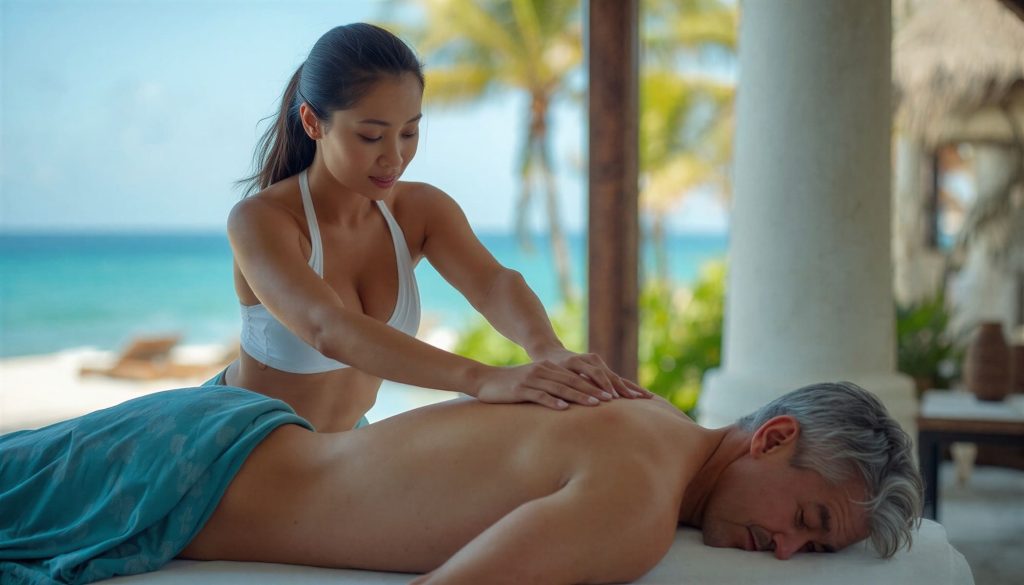
Hilot is the traditional Filipino healing massage. It combines mixed techniques for a full-body session, and some spas offer it by name.
Cirila’s first professional massage is a good example. She went while she was feeling under the weather, and she really enjoyed it. The session lasted one hour and cost about US$10 at the time. She loved the visit.
If I could change the laws of the universe, I would mandate a full body massage once a month for every human being on the planet. It is that good.
Tips
- Choose a licensed spa or a well-reviewed one. Ask what is included before you book.
- Home-service massage is available in many cities, but book through a reputable company.
- Tipping is not a habit for most Filipinos, because giving away extra money is not common. The bigger cities are used to it, and the smaller provinces are not. If you tip, say why, so they feel good about it. Tell them you really enjoyed their help and the effort they made to take care of you. Do not use a tip to show how much you have. Use it to reflect back to someone how much they are worth.
Doctors and hospitals
The first time I walked into St. Luke’s hospital at Fort Bonifacio, I was overwhelmed. It was nothing like what I had pictured, and it was one of the moments that taught me not to pre-judge a place before I experience it.
There is a reason for that. St. Luke’s Global City received the Joint Commission International (JCI) Gold Seal of Approval for the third time in a row in a December 2018 announcement. JCI first accredited the hospital in 2012, and the surveyors assess areas such as patient safety, anesthesia and surgical care, medication management and infection control (St. Luke’s announcement). That announcement is old, so check the hospital’s current status before you rely on it.
A JCI seal is not a guarantee of any outcome, and it applies to the hospital, not to every doctor who works there. Still, it is one useful signal when you choose where to go.
I have used one myself. I went to a hospital in the big city to have blood work done, to make sure I had not picked up a food or water illness. It turned out to be nothing, but I was impressed at how the premier hospitals in the city were run.
The provinces are a different story. In my experience, medical staff and resources are limited outside the big cities, so know where the nearest good hospital is before you travel far from one.
Hospitals are the newer part of the story. Hilot and the other ancient healing traditions have been part of Filipino life far longer, and I will write more about them in a later post.
Dental care
Dental work is where the price gap is easiest to see. One 2026 guide puts a single dental implant in the Philippines at about PHP 70,000 to 120,000 (US$1,200 to US$2,100), and says it varies by implant system and clinic (ExpatDen). Another source estimates PHP 50,000 to 150,000 for a full single-tooth restoration, compared with US insurance and government fee schedules of roughly US$2,200 to US$3,000 (Clinic Finder PH). The US figures there are published fee-schedule floors, not typical private prices, so don’t read the comparison as exact.
Before you book anything, make sure to:
- Check the license. Verify the dentist on the Professional Regulation Commission (PRC) portal.
- Plan for two trips. Implants usually need 3 to 6 months of healing between visits, so the travel cost can add up.
- Get the warranty and revision terms in writing. Your home dentist may decline to redo surgery on an implant they did not place.
- Get two or three estimates, and send a panoramic X-ray ahead of your trip so the plan and price are agreed in advance.
- Know your health. Conditions like diabetes, smoking and chronic gum disease can make implants a poor choice, so talk to your own dentist first.
Medical tourism in the Philippines: be realistic
Medical tourism means traveling for treatment, and the Philippines draws people for dental work and other planned procedures. The lower price is the headline, but the price is only one part of the decision. The same rules that protect you at home protect you here, and a few extra ones apply because you are far from your own doctor.
Three things I would settle before any trip for treatment:
- Aftercare. Who treats you if something goes wrong after you fly home? Ask the clinic in writing, and ask your home doctor whether they will follow up.
- Travel after treatment. Ask the treating doctor how long you must stay before it is safe to fly, and build that time into your plan.
- Total cost. Add flights, hotel, a second trip if one is needed, and the cost of fixing a problem. A cheap procedure that needs a second trip is not always cheap.
This is also where my advice from dating a younger Filipina applies. Decide your goal, put the plan on paper, and be ready for opportunists. If a price seems too good to be true, or you feel pressured, pause. Always have an exit.
Insurance and emergencies
Care is affordable compared with the US, but it is not free, and an emergency is the worst time to work out how you will pay. According to a Wise guide on Philippine health insurance (an older article, last checked in 2019), the main options for foreigners are:
- PhilHealth, the national program, which the guide says foreigners can join. It says PhilHealth covers only part of a bill, around 15 to 30 percent. Check the PhilHealth website for current rules and contributions, because the figures in that article are old.
- Private health insurance, usually bought by self-employed people or offered by an employer, often covering inpatient and outpatient care, surgery, lab tests and medication.
- HMO plans, often an employer benefit, which the guide says generally work on a reimbursement basis.
- Short-term travel insurance, which may suit tourists or people staying a limited time (Wise).
Whatever you choose, set money aside in advance for hospital bills. Keep your insurer’s emergency number and your policy details on your phone, and share them with the person you are traveling with. For more on staying safe, see Is the Philippines Safe for Solo Travelers?
A simple checklist for choosing a provider
- I have checked the doctor or dentist’s license on the official Philippine registry.
- I have a written estimate from at least two providers.
- I know what is included and what costs extra.
- I have asked what happens if there is a complication, and who pays.
- I know how long I must stay before it is safe to fly home.
- I have talked to my own doctor first.
- I have insurance or money set aside for an emergency.
- I have an exit: I can walk away at any time before I pay.
Health and wellness in the Philippines: frequently asked questions
How much does a massage cost in the Philippines?
In a March 2024 roundup of Manila spas, a Swedish massage ran about PHP 300 to 600 (US$5 to US$10), and a higher-end spa charged PHP 1,250 to 1,500 (US$20 to US$24). Prices have likely moved since then, so check before you go.
What is hilot?
Hilot is the traditional Filipino healing massage. It combines mixed techniques for a full-body session, and some spas offer it by name.
Should I tip for a massage?
Tipping is not a habit for most Filipinos. The bigger cities are used to it, and the smaller provinces are not. If you tip, say why, so the person knows you appreciated their effort.
Are the hospitals in the Philippines good?
The premier hospitals in Metro Manila impressed me. St. Luke’s Global City, for example, has held Joint Commission International (JCI) accreditation since 2012. Medical staff and resources are more limited outside the big cities, so know where the nearest good hospital is before you travel far from one.
Is dental work cheaper in the Philippines?
One 2026 guide puts a single dental implant at about PHP 70,000 to 120,000 (US$1,200 to US$2,100). Check the dentist’s license on the Professional Regulation Commission (PRC) portal, get estimates from two or three clinics, and get warranty terms in writing.
Is medical tourism in the Philippines safe?
It can be, if you plan for it. Settle aftercare, how long you must stay before it is safe to fly, and the total cost before you travel, and talk to your own doctor first.
Do I need health insurance in the Philippines?
Care is affordable compared with the US, but it is not free. Options for foreigners include PhilHealth, private health insurance, HMO plans and short-term travel insurance. Whatever you choose, set money aside for hospital bills and keep your policy details on your phone.
Life Is Your Decision, Make It Count.
Steve and Cirila
SoloPhilippines.com
Questions or just want to say hello? Send us a note.
Retirement
Life in the Philippines Has Its Advantages: My Story
My story of meeting my wife and living in the Philippines: the people, the lessons I learned and why we are building Our Private Island Oasis for part of each year.
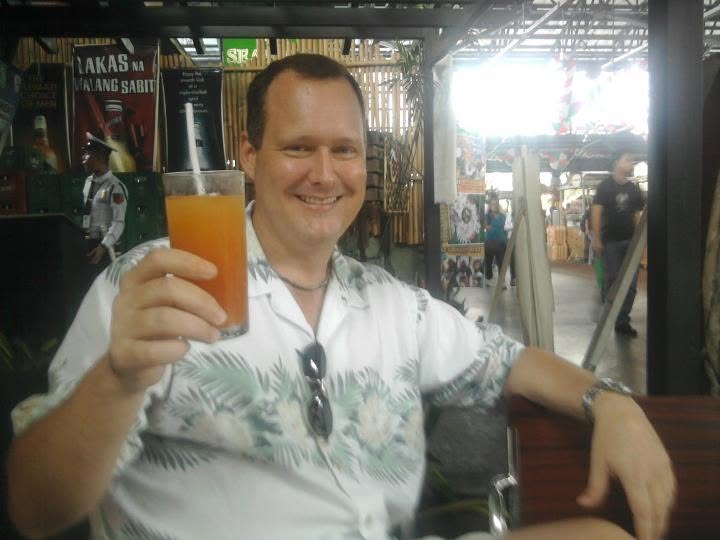
I first arrived in the Philippines in November 2010, nervous, like anyone going alone. Sixteen years later, life in the Philippines is the reason I write this site and the reason my wife, Cirila, and I are building Our Private Island Oasis. Life in the Philippines has its advantages, and this is how I found them.
How it started

In 2010 I was running a marketing business in Florida. My business partner was married to a Filipina he had met on a dating site, and he had traveled to the Philippines to meet her and her family before they decided to marry. At first I thought that sounded long, hard and not for me. Like many men, I assumed the process was too difficult. I also thought I was unusual for considering it, but I was not: the United States is the Philippines’ largest source of visitors, with 926,575 arrivals in the first eight months of 2026, according to the Department of Tourism.
I was wrong about that. Cirila and I met on an online dating site, and I will always be upfront about that, including if we ever recommend a service. Together we have now spent sixteen years building a life, and meeting her was the best decision I ever made.
I arrived in Manila in November 2010 and flew on to Cirila’s home, a quaint and beautiful village in the Philippines, to meet her in person and to look for office space. It was just before the Christmas holidays. The weather was perfect, and with Christmas around the corner everyone seemed pleasant to be around. What amazed me most were the smiles and the laughter. Even in times of great poverty for many people, the spirit of good times shines through.
Two years in Taguig
I had come to open a private office providing financial marketing to the brokerage community in the United States. After about three weeks in her village, we realized that internet in the bigger city was faster and more modern, and we decided to go to Manila. The recently built city of Fort Bonifacio, now known as Bonifacio Global City (BGC) in Taguig, was a perfect fit. Many of the biggest tech companies and banks were there, and staff were readily available to hire. It was a win-win. I ended up living in the Philippines for two years, in a condo in BGC. I hired and trained a staff of Filipino citizens, and working side by side with them taught me more about the country and its people than any guidebook could.
I did not arrive with a perfect plan. I had to learn how daily life really works: the culture, the paperwork, the relationships and the surprises. Some lessons came the easy way and many came the hard way. When family responsibilities called me back to the United States, I went home, but the Philippines never left me.
The advantages I found
- The people. The warmth, the smiles and the laughter are real, and they are the first thing most visitors remember.
- A different culture. Many of the men this site is written for want a change from the pressure and expectations of life at home. I understand that, and living in a different culture can bring a real sense of relief.
- Family and community. Families stay close, and relatives and friends welcome you into their lives.
- A guide who understands people. Cirila understands how people think here, and many of the lessons on this site came from her.
What I had to learn
The biggest lesson was about money and family. The life I grew up in is what I consider normal, but many people in the Philippines have never been exposed to it, and something I might waste without noticing can feed a family for a week or more. You will be asked for help, and you cannot please everyone. Be patient, think each request through, and help your partner understand how cash flow and money work. Cirila guided me through it. Get this right and everything else gets easier. I will tell the longer story in a future article.
Where we are going next
I believe everyone deserves an oasis. I caught a glimpse of mine in 1992, teaching scuba on Kaanapali Beach in Maui, and that place is gone now. Cirila and I are working toward the next one: Our Private Island Oasis, a seasonal retirement home close to her family. If the plan changes, I will tell you here.
If you are thinking about it
Start with a visit and take your time. These guides cover the questions I wish I had asked before my first trip:
- Is the Philippines Safe for Solo Travelers? What To Know
- Solo Travel in the Philippines: A First-Timer’s Guide
- Best Time to Visit the Philippines, Month by Month
- A 2-Week Solo Itinerary for the Philippines
Cirila and I also made a small greeting card for travelers, the Kumusta card, which says hello in Tagalog and Bisaya. You can read more about us on the About page. Cirila and I love speaking with people who are planning a first visit, so feel free to get in touch.
Frequently asked questions
How long did you live in the Philippines?
I lived there for two years, mostly in Bonifacio Global City in Taguig, and I have spent time in Cirila’s home village. Family responsibilities then brought me back to the United States.
Is life in the Philippines right for every foreigner?
No. It has been wonderful for me, but it suits some people better than others. Visit first, stay long enough to see daily life and check current visa rules with the Bureau of Immigration before you make any big decision.
Are you moving to the Philippines permanently?
Our plan is to build Our Private Island Oasis, a seasonal retirement home, so we can spend part of each year there and stay close to Cirila’s family.
The bottom line
The Philippines gave me a wife, a staff I still think about, and a way of seeing the world that has changed me. It is not perfect, and I had to learn a great deal, but life in the Philippines has its advantages, and I hope this site helps you find yours.
Life Is Your Decision, Make It Count.
Steve and Cirila
SoloPhilippines.com
Questions or just want to say hello? Send us a note.


Hilot Massage: Traditional Filipino Healing Massage

El Nido Nightlife After Dark: A Solo Traveler’s Guide

Health and Wellness in the Philippines: A Practical Guide

-

 Retirement2 years ago
Life in the Philippines Has Its Advantages: My Story
-
 Guides4 days ago
Best Beaches in the Philippines for Solo Travelers
-

 Lifestyle2 years ago
Top Delicacies: Best Foods to Try in The Philippines
-
 Romance3 days ago
Dating a Younger Filipina: Pay Attention!
-

 Guides5 days ago
Best Time to Visit the Philippines, Month by Month
-

 Guides5 days ago
A 2-Week Solo Itinerary for the Philippines
-
 Guides5 days ago
Is the Philippines Safe for Solo Travelers? What To Know
-

 Guides5 days ago
Is It Legal? Meeting and Marrying a Filipina as a Foreigner
You must be logged in to post a comment Login